
Serving time inside a correctional facility exposes individuals to continuous friction, noise, and interpersonal stress. Anger represents one of the most common and volatile emotional reactions to these harsh conditions. Incarcerated environments seem deliberately designed to test patience and provoke aggressive outbursts. However, yielding to unmanaged anger carries severe disciplinary consequences, including extended sentences and loss of privileges.
Gaining mastery over your emotional responses is essential for personal survival and successful rehabilitation. Understanding what triggers anger allows you to intercept aggressive impulses before they result in destructive behavior. This comprehensive guide explores science-based strategies to identify anger triggers, regulate physiological arousal, and build lasting emotional control behind bars.
The Neuroscience of Anger and the Fight-or-Flight Response
Anger is a primal emotional survival mechanism designed to mobilize the body against perceived threats. When you experience disrespect, frustration, or confinement stress, the brain’s amygdala triggers an immediate physiological reaction. This response floods your bloodstream with adrenaline and noradrenaline, preparing your body to fight or flee.
In a prison environment, this survival circuit remains activated chronically. Minor annoyances, such as loud noises, perceived disrespect, or rule restrictions, trigger disproportionate rage. Your rational prefrontal cortex—the part of the brain responsible for logical decision-making—goes offline when emotional arousal peaks.
Understanding this neurological process helps remove shame while highlighting the need for physical pause. You cannot reason logically while your body is flooded with adrenaline. Developing emotional control requires learning how to interrupt this physiological cycle before anger dictates your actions.
Identifying Common Correctional Anger Triggers
Anger rarely erupts completely out of nowhere; it is almost always sparked by specific environmental or psychological triggers. Identifying your personal triggers is the first step toward effective emotional regulation. Correctional environments present a predictable set of recurring friction points that test human patience.
Taking time to analyze past outbursts reveals recurring patterns in your anger triggers. When you know what specific situations or remarks provoke you, you can prepare mental armor in advance. Anticipating a trigger prevents you from being caught off guard and reacting impulsively.
The list below outlines common anger triggers in correctional environments:
- Perceived disrespect, insults, or demeaning remarks from peers or staff members.
- Sudden schedule disruptions, unexpected lockdowns, or prolonged administrative delays.
- Perceived unfairness, favoritism, or arbitrary enforcement of facility rules.
- Loss of personal property, privacy, or quiet time in crowded housing units.
- Rumination over external family problems or stressful legal appeals.
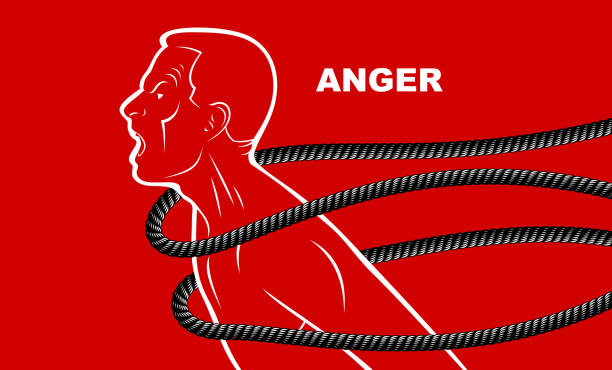
Mapping the Anger Escalation Cycle
Anger does not hit maximum intensity instantaneously; it builds through a progressive escalation cycle. Recognizing where you are on the escalation curve allows you to intervene before reaching the point of no return. Psychologists divide the anger cycle into five distinct phases: the trigger, escalation, crisis, recovery, and depression.
During the trigger and early escalation phases, physical tension rises noticeably. Your jaw clenches, your fists tighten, your breathing accelerates, and your thoughts race with defensive justifications. Intervening during these early phases requires minimal willpower compared to stopping a full-blown crisis outburst.
The table below outlines the phases of the anger cycle and optimal intervention points for control.
Cycle Phase | Physiological & Mental State | Optimal Self-Management Action |
1. Trigger Phase | Initial environmental provocation or perceived insult | Notice physical tension, take a deep breath, and walk away |
2. Escalation Phase | Racing thoughts, clenched jaw, rising adrenaline | Practice box breathing and challenge angry justifications |
3. Crisis Outburst | Loss of prefrontal control, yelling, or physical aggression | Complete behavioral shutdown; mandatory physical isolation |
Implementing the Physiological Pause
The single most effective tool for anger management is the physiological pause. When provoked, most people react within milliseconds, driven entirely by raw emotional impulse. Inserting a deliberate delay between a trigger and your response completely changes the outcome.
This pause does not mean backing down or showing weakness; it represents supreme mental self-discipline. Taking five to ten seconds to regulate your breathing allows your rational prefrontal cortex to come back online. During this pause, ask yourself whether an aggressive reaction serves your long-term rehabilitation goals.
- Step back immediately from the provoking situation or individual.
- Place your hands at your sides and drop your shoulders away from your ears.
- Take three slow, deep diaphragmatic breaths, exhaling longer than you inhale.
- Remind yourself that reacting with anger hands control of your life over to others.
Reframing Cognitive Distortions That Fuel Rage
Anger is almost always fueled by irrational cognitive distortions that magnify wrongdoing and justify retaliation. Common distortions behind bars include personalization, labeling, and attributing malicious intent to others. Believing that someone is intentionally trying to destroy your dignity triggers intense retaliatory rage.
Cognitive behavioral techniques teach you to interrogate your angry thoughts before acting on them. When someone slights you, consider alternative explanations rather than jumping straight to malicious intent. Perhaps they are exhausted, stressed, or dealing with their own personal crisis.
The table below illustrates how to reframe anger-fueling thoughts into objective perspectives.
Angry Trigger Thought | Underlying Cognitive Distortion | Objective Reframed Perspective |
"He disrespected me on purpose just to make me look weak." | Personalization / Malicious Intent | "He is stressed and lashing out; his behavior reflects his state, not my worth." |
"This unfair rule change is a personal attack against me." | Catastrophizing | "The rule change is annoying for everyone, not just me; I can adapt to it." |
"If I do not fight back right now, everyone will walk all over me." | All-or-Nothing Thinking | "Walking away shows emotional maturity and keeps me out of disciplinary segregation." |
Developing Assertive Communication Instead of Aggression
Many aggressive outbursts stem from an inability to communicate frustration, boundaries, or needs effectively. When individuals do not know how to express themselves assertively, they oscillate between passive bottling and explosive aggression. Learning assertive communication prevents feelings of powerlessness from turning into rage.
Assertive communication involves expressing your feelings and boundaries clearly and respectfully without violating the rights of others. It protects your dignity while de-escalating tension in close-quarters environments.
- Use "I" statements to express your emotional state without blaming or insulting others.
- Maintain a calm, neutral vocal tone and steady, non-threatening body posture.
- State your boundaries clearly and concisely without raising your voice or gesturing aggressively.
- Walk away if the other person refuses to communicate respectfully.

The Role of Physical Exercise in Burning Off Aggression
Anger generates an immense surge of physical energy and adrenaline that demands release. If this accumulated energy is not discharged constructively, it manifests as muscle tension, irritability, and violent impulses. Physical exercise acts as a powerful biochemical safety valve for housing unit frustration.
Engage in intense bodyweight exercises, push-ups, or cardiovascular movement when anger begins building up. Burning off stress hormones through physical exertion clears your mind and restores emotional equilibrium. Channeling rage into physical fitness transforms a destructive emotion into health benefits.
- Perform rapid sets of push-ups or burpees in your cell to discharge adrenaline spikes.
- Walk briskly around the recreation yard while focusing on regulating your breathing.
- Use stretching and mobility work to release chronic physical tension stored in your neck and shoulders.
- Track your physical workouts in your journal as a healthy outlet for emotional intensity.
Establishing Evening Reflection to Process Daily Friction
Living in close quarters guarantees that you will encounter irritating interactions throughout the day. Carrying unresolved anger and resentment into the evening hours poisons your sleep and sets you up for explosive reactions tomorrow. Establishing an evening reflection habit allows you to process daily friction constructively.
Review your day before lights out and identify any moments where anger spiked. Analyze what triggered the emotion and evaluate how effectively you handled the response. Acknowledge your successes and note areas where you can improve tomorrow.
The list below outlines essential steps for processing daily anger triggers:
- Write down any unresolved conflicts or lingering irritations in your personal journal.
- Evaluate your emotional response objectively without harsh self-criticism or shame.
- Identify the specific trigger so you can recognize it faster if it happens again.
- Forgive yourself and others, letting go of resentment before falling asleep.
Conclusion
Understanding anger triggers and developing emotional control is critical for surviving and thriving during incarceration. By recognizing the neuroscience of the fight-or-flight response, mapping your personal triggers, and implementing the physiological pause, you reclaim mastery over your actions. Reframing cognitive distortions and practicing assertive communication prevent minor friction from turning into destructive rage. Physical walls may restrict your external freedom, but your emotional control remains entirely your own. True strength is demonstrated not by lashing out, but by mastering your inner state under intense pressure.
Frequently Asked Questions
Why does anger feel so automatic and uncontrollable in prison?
High chronic stress floods the brain with adrenaline, shutting down the rational prefrontal cortex and leaving the impulsive amygdala in control.
What is the most effective immediate action to take when anger spikes?
Insert a physiological pause by stepping back, dropping your shoulders, and taking slow, deep diaphragmatic breaths to lower your heart rate.
How can I distinguish between standing my ground and aggressive escalation?
Standing your ground involves maintaining calm boundaries and self-respect, whereas aggressive escalation involves shouting, threats, or physical retaliation.
What are cognitive distortions, and how do they fuel prison rage?
Cognitive distortions are irrational thought patterns, such as assuming malicious intent in others, that magnify perceived insults and trigger rage.
Is it normal to feel constant underlying irritability during a long sentence?
Yes. Chronic noise, crowding, and lack of privacy keep the nervous system in a constant state of low-grade fight-or-flight arousal.
How does physical exercise help manage explosive anger?
Exercise burns off the excess adrenaline and stress hormones accumulated during friction, providing a healthy biochemical release valve.
How can I communicate my boundaries without starting a fight?
Use assertive communication with "I" statements, maintain a calm vocal tone, state your limits clearly, and walk away if necessary.
Why is evening reflection important for anger management?
Processing daily frustrations before sleep prevents unresolved resentment from compounding and causing explosive reactions the next day.
Legal information
Related Articles
More from the blog
Published articles selected by matching category, then the latest published.
 ArticlePreventing Stress and Burnout Among Correctional Officers: Evidence-Based Workplace Wellness StrategiesDiscover evidence-based wellness strategies for correctional officers to prevent burnout, manage trauma, and maintain mental resilience in prison work.
 ArticleIdentifying Mental Health Warning Signs in Inmates: Essential Knowledge for Correctional OfficersDiscover essential mental health warning signs for correctional officers to identify distress, recognize suicide risk, and maintain prison safety.
 ArticleManaging Verbal Aggression in Prison: Professional Responses That Prevent Conflict EscalationDiscover professional strategies for correctional staff to manage verbal aggression, avoid ego-driven traps, and prevent conflict escalation in prison.
Find forms, resources and support
Explore court-ready forms, the resource directory, or contact us for help with a similar issue.