
Correctional officers stand as the vital backbone of the criminal justice system, tasked with the extraordinary responsibility of maintaining institutional safety, order, and security under immense physical and psychological pressure. Operating in an environment characterized by chronic hypervigilance, direct exposure to trauma, verbal hostility, and institutional rigidity takes a heavy cumulative toll on the human mind and body. Left unaddressed, ongoing job stress degrades into chronic burnout, emotional exhaustion, compassion fatigue, and severe physical health deterioration.
Protecting the well-being of correctional staff is not merely a matter of employee benefits or workplace comfort; it is a critical security imperative. Stressed, burned-out officers experience diminished situational awareness, delayed reaction times, increased absenteeism, and significantly higher rates of conflict escalation. Implementing evidence-based wellness strategies safeguards staff health, reduces turnover, and enhances overall institutional stability. This comprehensive guide explores science-based approaches to prevent burnout and promote mental wellness among correctional professionals.
The Neurological Impact of Chronic Correctional Stress
Correctional officers exist in a state of professional paradox: they must remain hyper-alert to potential danger and security breaches while simultaneously maintaining professional composure and appropriate empathy. This continuous demand keeps the amygdala—the brain’s primary threat detection center—activated for entire shifts, day after day. Over time, chronic exposure to cortisol and adrenaline reshapes neurological functioning, leading to sustained anxiety, sleep disruption, and emotional numbing.
This biological wear-and-tear is frequently mislabeled as personal weakness or poor resilience by outdated institutional cultures. In reality, it represents a predictable neurological adaptation to an abnormal work environment. Recognizing that burnout is a biological and physiological response allows agencies and individuals to implement structural interventions rather than relying on superficial advice to "toughen up." Furthermore, the constant exposure to hostile interactions suppresses prefrontal cortex functioning, making it harder to regulate impulsive emotional reactions without deliberate mindfulness and tactical pause training.

Identifying the Warning Signs of Correctional Burnout
Burnout does not happen overnight; it develops along a progressive trajectory of physical, emotional, and behavioral exhaustion. Because correctional culture historically discourages emotional vulnerability, officers frequently mask their symptoms until a major crisis, disciplinary infraction, or health failure occurs. Recognizing early warning signs enables proactive intervention before irreversible damage is done.
Monitoring personal and peer well-being requires watching for specific behavioral, emotional, and somatic indicators. The list below outlines critical warning signs of correctional burnout:
- Chronic Physical Fatigue: Waking up exhausted even after a full night's sleep, accompanied by persistent muscle tension, frequent tension headaches, or chronic gastrointestinal issues.
- Cynicism and Emotional Detachment: Developing a cold, hardened worldview toward inmates, colleagues, and institutional management, losing all sense of professional idealism and empathy.
- Behavioral Withdrawal: Isolating from family and friends outside of work, avoiding social gatherings, and completely losing interest in previously enjoyed hobbies.
- Increased Irritability: Snapping unexpectedly over minor inconveniences at home or displaying disproportionate anger and impatience during routine tier interactions.
- Cognitive Fog: Experiencing difficulty concentrating, noticeable memory lapses, and reduced decision-making speed during high-pressure security situations.
- Loss of Professional Efficacy: Feeling a growing sense of helplessness regarding the ability to make a positive impact or maintain order within the facility.
Evidence-Based Workplace Wellness Strategies for Agencies
Preventing burnout requires a genuine structural commitment from correctional leadership and institutional administration. Individual coping strategies are entirely insufficient if the surrounding workplace culture remains toxic, understaffed, or overly punitive. Effective agency-level wellness programs integrate physical fitness, psychological support, and operational transparency.
Progressive correctional agencies implement evidence-based initiatives that directly target the root drivers of chronic stress. The table below outlines key institutional wellness strategies and their operational impacts.
Agency Wellness Strategy | Operational Implementation | Impact on Staff Wellbeing |
Peer Support Networks | Training respected veteran officers in confidential peer-to-peer crisis support | Reduces social stigma, provides early intervention, and normalizes seeking help |
Schedule Optimization | Limiting excessive forced overtime and implementing predictable shift rotations | Restores circadian rhythms, reduces fatigue, and significantly lowers accident rates |
Post-Critical Incident Debriefings | Mandating psychological debriefings following violent assaults, riots, or critical events | Processes secondary trauma immediately and prevents the accumulation of PTSD |
Resilience and Mindfulness Training | Integrating evidence-based stress reduction modules into annual in-service training | Equips officers with somatic tools to regulate nervous system arousal in real time |
Anonymous Employee Assistance | Providing confidential, accessible counseling independent of chain-of-command oversight | Eliminates fear of career retaliation when seeking psychological care |
Personal Coping and Resilience Practices for Officers
While agency-level reform is essential for systemic health, individual officers must also cultivate robust daily habits to protect their mental and physical health. Taking proactive control of your personal recovery routines builds an essential psychological buffer against ongoing workplace friction.
Developing personal resilience involves treating your off-duty time as a sacred recovery period. Implementing somatic and cognitive habits helps clear stress hormones from your system before they cause long-term damage to your health.
- Establish Hard Boundaries: Actively disconnect from work thoughts, emails, and departmental communication during off-duty hours to protect personal time.
- Prioritize Restorative Sleep: Maintain strict sleep hygiene routines to allow your nervous system to recover fully from daily hypervigilance.
- Engage in Physical Exercise: Utilize cardiovascular training or heavy strength conditioning to burn off accumulated adrenaline and cortisol.
- Cultivate Outside Connections: Nurture relationships with family members and friends who have no connection to the criminal justice system.
- Practice Somatic Resetting: Utilize box breathing or progressive muscle relaxation immediately after completing a high-stress shift to lower your heart rate.
Overcoming the Stigma of Mental Health in Corrections
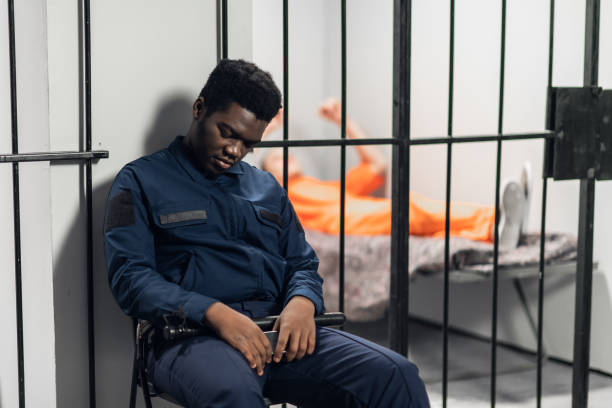
The traditional "macho" culture within law enforcement and corrections often treats emotional distress as a liability or a threat to career advancement. Officers frequently fear that admitting to anxiety, depression, or trauma symptoms will result in stigma from peers, loss of specialized assignments, or loss of firearm privileges. Breaking this silence is quite literally a matter of life and death.
Normalizing mental health care requires leadership to speak openly about wellness and treat psychological maintenance with the same seriousness as physical firearms training. Seeking counseling or peer support is a sign of tactical intelligence and professional self-preservation.
- Challenge stigmatizing language or mocking behavior regarding mental health among colleagues consistently.
- Participate actively in agency wellness initiatives to set a positive leadership example for newer staff members.
- View therapy and stress management as essential preventive maintenance required for a long, healthy career.
- Advocate for policy reforms that separate routine psychological wellness check-ins from fitness-for-duty punitive evaluations.
Conclusion
Preventing stress and burnout among correctional officers is vital for maintaining safe, humane, and secure correctional facilities. By combining institutional wellness reforms—such as peer support and schedule optimization—with personal resilience practices and stigma reduction, agencies can protect their workforce. Correctional officers carry an immense burden on behalf of society; ensuring they possess the psychological and physical tools to thrive preserves institutional integrity and honors their dedicated service.
Frequently Asked Questions
What is the primary cause of burnout among correctional officers?
Burnout is driven by a combination of chronic hypervigilance, excessive forced overtime, direct exposure to trauma, administrative pressures, and a lack of organizational control.
How does chronic stress physically affect correctional officers over time?
Prolonged exposure to stress hormones causes cardiovascular strain, chronic muscle tension, sleep disorders, weakened immune function, and accelerated biological aging.
Why is peer support often more effective than traditional therapy in corrections?
Peer support involves colleagues who share the exact lived experience and cultural understanding of correctional work, reducing hesitation and fear of judgment.
How can officers leave work stress behind when transitioning home?
Establishing a physical and mental transition ritual—such as changing clothes, listening to a specific podcast during the commute, or exercising—helps signal the brain that the shift is over.
What is compassion fatigue, and how does it impact officers?
Compassion fatigue is the emotional numbing and exhaustion that occurs when staff are continuously exposed to suffering, trauma, and hostility without adequate recovery.
How can correctional administrators reduce the negative impacts of forced overtime?
Administrators can optimize staffing models, offer voluntary shift-trading systems, and establish clear caps on consecutive work hours to protect rest.
Is seeking professional counseling a threat to an officer's career?
In modern progressive agencies, seeking confidential mental health support protects career longevity and prevents small stress issues from escalating into major disciplinary infractions.
What role does physical fitness play in burnout prevention?
Exercise acts as a biochemical release valve, burning off accumulated adrenaline and cortisol while releasing mood-enhancing endorphins.
How can families support a correctional officer dealing with high stress?
Families can provide a calm, low-demand home environment, encourage open communication, and respect the officer's need for quiet decompression time.
Why do agencies need mandatory post-incident debriefings?
Mandatory debriefings ensure that every officer involved in a violent incident receives immediate psychological assessment and support, preventing delayed-onset PTSD.
Legal information
Related Articles
More from the blog
Published articles selected by matching category, then the latest published.
 ArticleIdentifying Mental Health Warning Signs in Inmates: Essential Knowledge for Correctional OfficersDiscover essential mental health warning signs for correctional officers to identify distress, recognize suicide risk, and maintain prison safety.
 ArticleManaging Verbal Aggression in Prison: Professional Responses That Prevent Conflict EscalationDiscover professional strategies for correctional staff to manage verbal aggression, avoid ego-driven traps, and prevent conflict escalation in prison.
 ArticleConflict Resolution in Correctional Facilities: Practical Communication Strategies for Prison StaffDiscover practical conflict resolution communication strategies for correctional staff to defuse tension, manage escalation, and maintain prison safety.
Find forms, resources and support
Explore court-ready forms, the resource directory, or contact us for help with a similar issue.