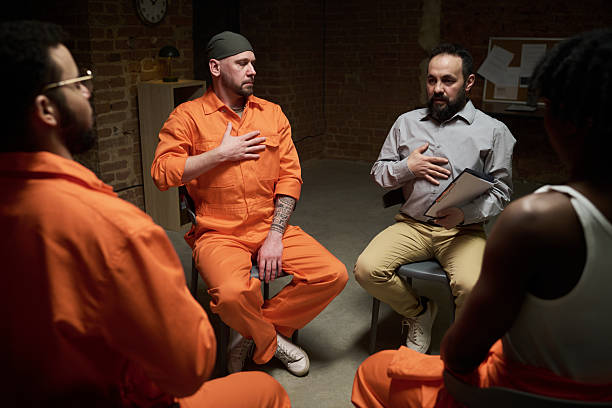
Correctional facilities are high-density, high-stress environments where interpersonal friction is an everyday reality. Tensions between inmates, or between inmates and staff, can escalate rapidly from minor verbal disagreements into dangerous physical altercations. For correctional staff, mastering conflict resolution is not merely a tool for maintaining discipline—it is a core tactical skill that protects staff safety, preserves institutional order, and models emotional maturity.
Traditional authoritarian responses often suppress conflict temporarily while breeding deeper resentment underneath. True, long-term conflict resolution requires a blend of tactical awareness, structured communication frameworks, and psychological insight. This comprehensive guide explores evidence-based conflict resolution strategies tailored specifically for correctional professionals.
The Anatomy of Conflict in Correctional Environments
Conflicts behind bars rarely erupt without a preceding trajectory. Understanding how disputes develop allows staff to intervene before a situation reaches a crisis point. Correctional conflicts are typically fueled by specific environmental pressures:
- Resource Scarcity: Limited access to commissary items, phones, recreation equipment, and jobs creates hyper-competitive behaviors.
- Loss of Autonomy: Inmates constantly experience a lack of control, making minor slights feel like direct threats to their personal dignity and survival.
- Proximity Stress: Forced living conditions in close quarters mean minor irritations compound daily until an emotional breaking point is reached.
- Reputational Protection: Fear of appearing weak in a correctional subculture forces individuals to posture aggressively over trivial disagreements.
Recognizing these root causes shifts an officer's perspective from viewing an inmate as inherently defiant to recognizing an individual caught in an environmental pressure cooker. This empathetic awareness enables staff to de-escalate disputes objectively.

The Three-Phase Conflict Escalation Model
Conflicts move through predictable stages of emotional and physical arousal. Recognizing which phase a dispute occupies dictates the appropriate tactical intervention. Attempting logical mediation during a crisis outburst fails, just as ignoring a brewing trigger allows escalation.
The table below outlines the conflict escalation phases and recommended staff responses.
Escalation Phase | Behavioral Indicators | Recommended Staff Tactical Response |
1. Latent Tension | Subdued body language, cold silence, brooding, avoiding eye contact | Separate parties proactively, check environment, establish calm presence |
2. Verbal Confrontation | Raised voices, finger-pointing, insults, gathering crowds | Intervene firmly, separate individuals, use low vocal tone, command compliance |
3. Physical Crisis | Pushing, throwing punches, wrestling, weapon usage | Apply immediate physical control, emergency backup protocols, safety force |
Active De-Escalation and Verbal Intervention Tactics
When intervening in a verbal dispute, staff must project absolute calm authority. Your emotional state sets the atmospheric pressure for the entire tier. If an officer approaches a shouting match with shouting and aggression, the conflict intensifies immediately.
Mastering verbal intervention requires specific communication tactics designed to lower adrenaline and restore cognitive functioning:
- Isolate the Parties: Immediately separate the conflicting individuals to remove their audience. Inmates often escalate posturing when peers are watching.
- Control Your Vocal Tonality: Speak deliberately slower and softer than the individuals involved. Forcing them to quiet down to hear you naturally lowers their physiological arousal.
- Use Direct, Non-Threatening Language: Avoid sarcasm, taunting, or challenges to personal ego (e.g., avoid saying, "Do you want to go to segregation?").
- Acknowledge Perspectives Without Endorsing Violations: Say, "I understand you both feel strongly about this seating assignment, but shouting violates unit rules."
Structured Mediation Frameworks for Staff
When handling non-violent disputes between inmates, correctional staff often act as informal mediators. Effective mediation requires impartiality, structured listening, and guiding parties toward a practical resolution rather than imposing arbitrary top-down edicts.
A structured mediation framework follows a precise sequence:
- Establish Ground Rules: Require both parties to speak one at a time without interruptions or profanity.
- Listen to Both Sides Fully: Allow each individual to state their grievance completely, reflecting back key points to prove comprehension.
- Identify the Core Issue: Strip away emotional posturing and insults to pinpoint the actual logistical problem (e.g., a shared property dispute or misunderstanding).
- Brainstorm Collaborative Solutions: Ask both parties how the issue can be resolved fairly within facility rules, fostering mutual buy-in.
- Enforce and Monitor: Outline the agreed-upon resolution clearly and confirm that both parties understand future behavioral expectations.
Managing Personal Biases and Emotional Triggers
Correctional officers are human beings working under intense conditions. Dealing with manipulative, hostile, or chronically difficult individuals daily can trigger personal frustration, fatigue, and burnout. When an officer reacts out of personal irritation rather than professional protocol, conflict escalates unnecessarily.
Maintaining professional objectivity requires rigorous self-awareness. Recognize your own physical warning signs of frustration—such as a clenched jaw, tightened grip on your belt, or a sharp spike in vocal tone.
- Practice the Tactical Pause: Take a two-second mental breath before responding to disrespectful language.
- Separate the Person from the Behavior: Remind yourself that the inmate's hostility is a reflection of their internal chaos, not a personal assault on your worth.
- Rotate Duties: Utilize shift rotations and peer support debriefings to prevent compassion fatigue from eroding your conflict resolution patience.

Establishing Long-Term Cultural Norms of Respect
Resolving individual conflicts is essential, but building a stable institutional culture prevents conflicts from recurring. Correctional staff who cultivate an environment of predictable fairness, transparent rule enforcement, and mutual respect see significantly fewer violent altercations.
When inmates know that staff will listen fairly, investigate grievances objectively, and enforce rules consistently, they rely less on informal, violent dispute resolution. Proactive culture-building transforms a volatile housing unit into a manageable, orderly community.
- Enforce rules consistently across all inmates to eliminate perceptions of favoritism or bias.
- Acknowledge and praise positive conflict resolution when inmates walk away from potential fights.
- Maintain open, professional communication lines during daily tier rounds to catch tension early.
Conclusion
Conflict resolution is an indispensable competency for correctional professionals striving to maintain safe, orderly, and rehabilitative environments. By understanding the root anatomy of disputes, recognizing escalation phases, and mastering tactical verbal intervention, staff can defuse volatile situations before they turn violent. Balancing empathetic listening with unwavering professional boundaries protects officer safety and models constructive communication for the entire facility.
Frequently Asked Questions
What is the most common trigger for conflicts inside correctional housing units?
Resource scarcity, privacy invasion, personal slights, and housing unit debt (such as commissary or gambling debts) are the most frequent triggers.
How should an officer handle an inmate who refuses to back down during verbal mediation?
If an inmate refuses verbal compliance and continues escalating, separate them immediately using appropriate security protocols to prevent physical violence.
Is it a sign of weakness for an officer to listen to an inmate's side of a dispute?
Never. Active listening demonstrates professional confidence, emotional intelligence, and tactical control, earning greater long-term respect from the inmate population.
How can staff prevent inmates from losing face when backing down from a fight?
Allowing parties to separate with dignity—such as directing one to walk away for count or medication call—gives them a safe exit without appearing weak to peers.
What role does body language play in resolving correctional conflicts?
Non-verbal cues account for a massive percentage of communication; keeping hands visible, standing at a balanced tactical distance, and maintaining neutral expressions prevent perceived threats.
How do staff handle housing unit rumors that threaten to spark violence?
Address rumors transparently and immediately during tier updates, replacing misinformation with official facts to defuse anticipatory panic.
Can mediation be used for all types of prison conflicts?
No. Mediation is strictly for non-violent verbal disputes; any active physical assault, weapon possession, or violent threat requires immediate security intervention.
How can officers protect themselves from compassion fatigue during high-stress shifts?
By establishing clear work-life boundaries, utilizing peer support networks, taking tactical breaks, and maintaining emotional detachment from inmate hostility.
Why is consistency in rule enforcement so critical for conflict prevention?
Inconsistent rule enforcement breeds deep resentment, perceived bias, and volatile friction among inmates who feel targeted or cheated.
What is the best post-incident step after resolving a tense housing unit conflict?
Document the incident accurately, debrief with shift partners to review what worked, and monitor the housing unit closely for lingering fallout.
Legal information
Related Articles
More from the blog
Published articles selected by matching category, then the latest published.
 ArticlePreventing Stress and Burnout Among Correctional Officers: Evidence-Based Workplace Wellness StrategiesDiscover evidence-based wellness strategies for correctional officers to prevent burnout, manage trauma, and maintain mental resilience in prison work.
 ArticleIdentifying Mental Health Warning Signs in Inmates: Essential Knowledge for Correctional OfficersDiscover essential mental health warning signs for correctional officers to identify distress, recognize suicide risk, and maintain prison safety.
 ArticleManaging Verbal Aggression in Prison: Professional Responses That Prevent Conflict EscalationDiscover professional strategies for correctional staff to manage verbal aggression, avoid ego-driven traps, and prevent conflict escalation in prison.
Find forms, resources and support
Explore court-ready forms, the resource directory, or contact us for help with a similar issue.