
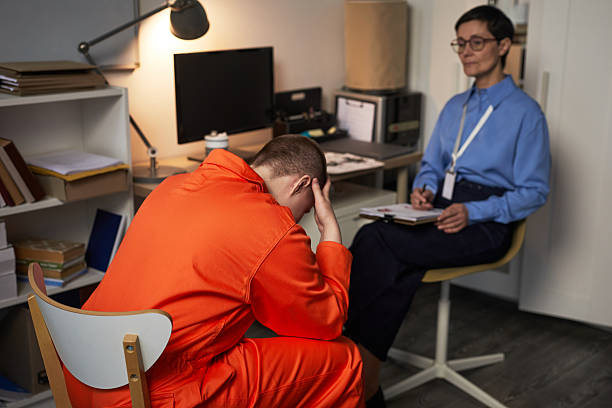
Serving time inside a correctional facility exposes individuals to severe psychological strain, isolation, and environmental trauma. Psychological distress represents a profound emotional crisis that extends far beyond normal daily stress. Incarcerated individuals frequently experience acute depression, anxiety, trauma symptoms, and severe despair behind bars. Left unaddressed, psychological distress can escalate into psychiatric emergencies, self-harm, or irreversible harm.
Recognizing warning signs early and understanding available support strategies is vital for personal survival and rehabilitation. Families, peers, and correctional staff must collaborate to ensure access to meaningful care. This comprehensive guide explores science-based methods to identify psychological distress, implement support strategies, and navigate professional care behind bars.
The Spectrum of Psychological Distress in Captivity
Psychological distress encompasses a wide spectrum of mental health challenges experienced during incarceration. Normal daily stress involves temporary frustration with facility schedules or minor conflicts. Psychological distress, however, involves a breakdown in an individual's coping mechanisms, emotional regulation, and cognitive functioning.
Environmental triggers such as overcrowding, noise, victimization, and long separation from families compound these psychological vulnerabilities. Without intervention, chronic distress deteriorates into clinical depression, severe anxiety disorders, or acute psychosis. Recognizing where an individual sits on this spectrum determines the appropriate level of intervention needed.
Understanding that psychological distress is a treatable medical condition helps eliminate institutional stigma. Mental health struggles reflect the immense psychological weight of confinement rather than personal weakness. Approaching distress with clinical awareness and empathy saves lives.
Recognizing Behavioral and Emotional Warning Signs
Incarcerated individuals experiencing psychological distress rarely articulate their pain directly due to institutional stigma. Instead, distress manifests through subtle or dramatic shifts in behavior, communication, and daily habits. Spotting these warning signs early allows support networks to intervene proactively.
Monitoring emotional changes requires close attention to interpersonal withdrawal and sudden mood alterations. Uncharacteristic apathy, expressions of total hopelessness, or severe agitation signal deep psychological trauma. Knowing what to look for empowers you to act before a crisis occurs.
The list below outlines critical behavioral warning signs of psychological distress:
- Abrupt withdrawal from family communication, letters, phone calls, and social interactions.
- Noticeable changes in personal hygiene, such as abandoning grooming and cleanliness standards.
- Severe sleep disturbances, including chronic insomnia, night terrors, or total exhaustion.
- Uncharacteristic emotional volatility, intense irritability, or sudden rage outbursts over minor issues.
- Direct or veiled statements expressing total hopelessness, worthlessness, or suicidal ideation.

Differentiating Normal Prison Stress From Psychiatric Crisis
It is essential to distinguish between standard institutional stress and an acute psychiatric crisis. Standard stress involves temporary grumbling about food quality, noise, or routine delays while maintaining daily functioning. A psychiatric crisis involves a complete fracture in reality testing, emotional control, and self-preservation capacity.
During a psychiatric crisis, individuals may experience severe paranoia, auditory or visual hallucinations, or catatonic withdrawal. Recognizing the difference ensures that responses match the severity of the situation. While normal stress responds to self-care and peer support, a psychiatric crisis requires immediate professional intervention.
The table below contrasts normal prison stress with acute psychiatric crisis indicators.
Condition Type | Characteristic Presentation | Required Action / Response |
Normal Prison Stress | Temporary frustration, venting, but maintaining basic routines and self-care | Utilizing coping tools, exercise, and peer support |
Psychiatric Crisis | Severe detachment from reality, psychosis, self-harm threats, total functional collapse | Immediate medical and mental health staff intervention |
Peer Support Strategies: Being a Stabilizing Presence
Peers often act as the first line of defense when an incarcerated individual experiences psychological distress. Inmates spend more time with housing unit neighbors than with administrative or mental health staff. Offering calm, compassionate listening can de-escalate emotional crises and provide vital comfort.
Peer support does not require professional psychological training; it requires empathetic presence and validation. Listening without judgment helps reduce the profound isolation that fuels despair. Knowing when to escalate concerns to professionals is equally critical.
- Create a safe, non-judgmental space for peers to express emotional pain.
- Validate their distress without trying to minimize their experience or offer toxic positivity.
- Encourage distressed peers to engage in healthy grounding exercises or deep breathing.
- Notify facility chaplains or mental health staff immediately if self-harm is suspected.
The Crucial Role of Family Advocacy From the Outside
When an incarcerated loved one experiences deep psychological distress, family members on the outside hold immense advocacy power. Inmates who are severely depressed or traumatized often lack the energy or cognitive clarity to advocate for themselves. External families must act as vocal, persistent mental health advocates.
Contacting facility medical departments, mental health directors, or chaplains formally documents the crisis. Requesting official welfare checks ensures that facility staff evaluate the individual's mental stability. Maintaining detailed records of all communications protects your loved one's safety.
The list below outlines essential steps for family mental health advocacy:
- Contact the facility administration and request the mental health or psychiatric department.
- Provide your loved one's full legal name and specific institutional identification number.
- State your safety and psychological concerns clearly and factually in writing.
- Request an urgent psychological evaluation and follow up via certified mail.
Navigating Facility Mental Health Services
Accessing professional mental health care inside correctional facilities requires understanding administrative procedures. Most state and federal systems feature formal mental health request mechanisms, often called "sick call" slips. Incarcerated individuals must submit written requests to be evaluated by staff counselors or psychologists.
Navigating these bureaucratic channels can be frustrating due to understaffed departments and long wait times. Encouraging your loved one to be persistent and precise when describing symptoms ensures they receive appropriate attention. Understanding institutional protocols prevents treatment delays.
The table below summarizes common mental health services and access methods in prison.
Service Type | Primary Clinical Focus | Access Mechanism in Prison |
Counseling / Therapy | Talk therapy, coping strategy development, trauma support | Submitting formal mental health sick-call request slips |
Psychiatry Services | Medication management for depression, anxiety, or psychosis | Medical referral through facility counselors or nursing staff |
Crisis Intervention | Emergency suicide watch, acute stabilization, safety protocols | Immediate staff notification by inmate, peer, or family advocate |
Evidence-Based Therapeutic Approaches Behind Bars
Modern correctional mental health programs increasingly utilize evidence-based therapeutic modalities to treat distress. Cognitive Behavioral Therapy helps individuals identify and alter distorted thought patterns that fuel depression and anxiety. Dialectical Behavior Therapy teaches practical emotional regulation and distress tolerance skills.
These therapeutic tools empower inmates to manage their psychological responses independently. Engaging in therapeutic programs transforms passive suffering into active emotional mastery.
- Practice cognitive reframing to challenge automatic negative thoughts and hopelessness.
- Utilize dialectical distress tolerance skills during acute emotional crises.
- Participate actively in facility-led rehabilitation and support groups.
- Apply learned psychological tools consistently in daily housing unit routines.
Overcoming Institutional Stigma Surrounding Mental Health
Stigma remains a massive barrier to seeking psychological help inside correctional environments. Incarcerated subcultures often equate mental illness or vulnerability with weakness, making individuals afraid to ask for help. Overcoming this toxic stigma requires redefining mental health care as an act of courage and strength.
Seeking professional help does not indicate failure; it demonstrates a commitment to personal survival and rehabilitation. Normalizing conversations about emotional distress encourages peers to seek care before crises erupt.
- Challenge stigmatizing language or mocking behavior regarding mental health among peers.
- Speak openly about the importance of emotional wellness and stress management.
- Support peers who courageously seek counseling or psychiatric evaluation.
- View mental health treatment as essential maintenance for long-term success.
Preventing Caregiver Burnout for Families and Supporters
Advocating for a psychologically distressed inmate places an intense emotional burden on families outside. Secondary trauma, chronic worry, and caregiver fatigue frequently impact supporters. You cannot successfully advocate for a loved one if your own mental well-being collapses.
Establishing clear emotional boundaries and utilizing community support networks is mandatory. Connect with family support groups, professional therapists, or trusted friends. Protecting your own mental health ensures you remain an effective, sustainable advocate.
- Set realistic limits on how much administrative and emotional stress you absorb daily.
- Join support groups for families navigating loved ones with mental health struggles.
- Prioritize your own sleep, physical health, and joyful personal activities.
- Seek professional counseling to process secondary trauma and caregiver fatigue.
Preparing for Long-Term Psychological Recovery
Overcoming acute psychological distress is a gradual journey requiring patience and sustained care. Once an immediate crisis resolves, individuals must build robust psychological routines to prevent relapse. Continuing therapy, practicing mindfulness, and nurturing supportive connections secure long-term stability.
Celebrate the resilience required to survive psychological trauma behind bars. Reaffirm commitments to personal growth, emotional health, and successful future community reentry. Recovery proves that human endurance and professional care can triumph over despair.
- Maintain regular participation in ongoing counseling or support groups.
- Reinforce daily wellness habits, including exercise, journaling, and proper sleep hygiene.
- Strengthen family communication channels to ensure ongoing outside support.
- View emotional recovery as an ongoing, lifelong commitment to character growth.
Conclusion
Recognizing psychological distress and facilitating professional care during incarceration is a vital responsibility shared by inmates, peers, families, and facility staff. By identifying behavioral warning signs, differentiating stress from psychiatric crises, and utilizing peer support and family advocacy, lives can be saved. Overcoming institutional stigma and engaging with evidence-based therapies fosters deep emotional healing. Physical walls may confine the body, but access to compassionate mental health care ensures that the human mind and spirit can endure, heal, and ultimately triumph.
Frequently Asked Questions
What is the difference between normal prison stress and clinical psychological distress?
Normal stress involves temporary frustration with daily routines, whereas clinical distress involves a severe breakdown in coping, emotional regulation, and daily functioning.
How can I tell if my incarcerated loved one is experiencing a psychiatric crisis?
A psychiatric crisis involves acute detachment from reality, severe psychosis, catatonic withdrawal, or explicit threats of self-harm.
What should I do if my loved one refuses to seek mental health help?
Encourage them gently, and if you suspect self-harm or severe danger, contact facility mental health staff directly to request an urgent welfare check.
How do families request an emergency psychological evaluation in prison?
Families can call and write to the facility mental health director or administration, providing full legal details and stating safety concerns clearly.
Why is mental health stigma so dangerous in correctional environments?
Stigma frightens individuals into concealing their emotional distress, preventing them from accessing life-saving professional care before crises escalate.
Can peer support really help someone experiencing psychological distress?
Yes. Compassionate listening, validation, and de-escalation by peers reduce isolation and provide vital emotional stabilization.
What evidence-based therapies are commonly used in correctional facilities?
Cognitive Behavioral Therapy and Dialectical Behavior Therapy are widely utilized to teach emotional regulation, distress tolerance, and cognitive reframing.
How can outside families manage caregiver fatigue while advocating for an inmate?
Families must set clear emotional boundaries, join support groups, prioritize self-care, and seek professional therapy to process secondary trauma.
What is a mental health sick-call slip, and how is it used?
A sick-call slip is a formal written request submitted by an inmate to schedule an evaluation with facility counseling or medical staff.
Legal information
Related Articles
More from the blog
Published articles selected by matching category, then the latest published.
 ArticlePreventing Stress and Burnout Among Correctional Officers: Evidence-Based Workplace Wellness StrategiesDiscover evidence-based wellness strategies for correctional officers to prevent burnout, manage trauma, and maintain mental resilience in prison work.
 ArticleIdentifying Mental Health Warning Signs in Inmates: Essential Knowledge for Correctional OfficersDiscover essential mental health warning signs for correctional officers to identify distress, recognize suicide risk, and maintain prison safety.
 ArticleManaging Verbal Aggression in Prison: Professional Responses That Prevent Conflict EscalationDiscover professional strategies for correctional staff to manage verbal aggression, avoid ego-driven traps, and prevent conflict escalation in prison.
Find forms, resources and support
Explore court-ready forms, the resource directory, or contact us for help with a similar issue.