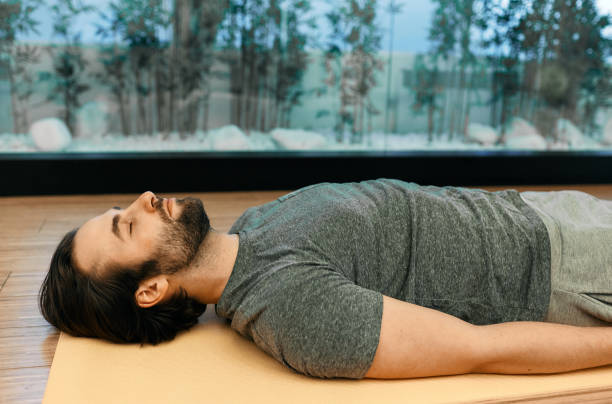
Serving time inside a correctional facility places continuous physical and psychological pressure on the human body. Constant hypervigilance, crowded housing units, and uncomfortable bunk settings cause chronic muscle tension, stiffness, and fatigue. When stress hormones like cortisol and adrenaline flood your system daily, your muscles lock into a perpetual, unconscious defensive posture. Left unmanaged, this physical tension manifests as chronic headaches, back pain, and emotional irritability.
Gaining control over your physical body provides a direct pathway to calming your mind. One of the most effective, evidence-based tools for releasing physical stress is Progressive Muscle Relaxation (PMR). This comprehensive guide explores the science behind PMR, step-by-step execution instructions, and practical ways to integrate somatic relaxation into your daily prison routine.
The Science of Somatic Stress and Muscle Tension
Somatic stress refers to the physical ways your body stores emotional trauma, anxiety, and environmental pressure. When you experience a threat or friction in a correctional environment, your nervous system automatically contracts major muscle groups to prepare for physical action. This defensive reflex involves tensing the neck, shoulders, jaw, and back.
In a normal environment, this physical tension discharges after the threat passes. However, in a continuous high-stress environment, the nervous system remains stuck in a low-grade fight-or-flight loop. Your muscles never receive the biological signal to relax, resulting in chronic stiffness and physical exhaustion.
Progressive Muscle Relaxation short-circuits this stress loop by teaching your nervous system the distinct difference between muscular tension and complete relaxation. By consciously tensing and then releasing specific muscle groups, you trigger the parasympathetic nervous system, lowering your heart rate and melting away physical stress.
The Neurological Mechanism Behind PMR
Developed by physician Edmund Jacobson in the 1920s, PMR operates on the principle that mental calmness follows physical relaxation. When you intentionally contract a muscle group at 100% capacity for five to ten seconds, the subsequent release triggers a neurological rebound effect known as inverse myotatic relaxation.
During the release phase, the Golgi tendon organs in your muscles signal your brain to reduce muscle tone significantly below its baseline level. This produces a warm, heavy sensation of profound physical relief. Simultaneously, your brain registers the absence of tension as a signal that the environment is currently safe.
Regular practice rewires your neural pathways, making you more acutely aware of physical stress as it accumulates. Instead of carrying tension in your jaw or shoulders all day, you learn to spot and release it in real time before it causes pain or irritability.
Preparing for Your Practice Session in a Cell
Practicing PMR requires no special equipment, making it an ideal mental health tool for correctional environments. You can perform the routine sitting on the edge of your bunk or lying down during evening hours. Creating the right mental and physical space maximizes the benefits of the exercise.
Preparation involves minimizing distractions and establishing a calm physical posture. Take a few slow, deep diaphragmatic breaths to settle your nervous system before beginning the sequence. Treat this practice as sacred personal time dedicated entirely to your well-being.
- Sit upright with both feet flat on the floor or lie flat on your back on your bunk.
- Close your eyes or soften your gaze to eliminate visual distractions from the tier.
- Loosen any tight clothing or belts that might restrict your breathing or circulation.
- Take three slow, deep abdominal breaths, expanding your diaphragm fully.
Step-by-Step Progressive Muscle Relaxation Sequence
The PMR sequence moves methodically through major muscle groups across your body, typically starting from your feet and working upward toward your face. Alternatively, you can move downward from your head to your toes. Each muscle group should be tensed firmly for 5 to 7 seconds, followed by an immediate, complete release for 15 to 20 seconds.
Pay close attention to the contrast between the tight, uncomfortable feeling of tension and the warm, loose feeling of relaxation. This mindful awareness is what retrains your nervous system to let go of chronic stress.
The table below outlines the standard full-body PMR sequence, muscle groups, and physical focus areas.
Muscle Group | Tensing Action | Releasing and Relaxing Focus |
1. Feet and Toes | Curl your toes downward tightly and flex your arches | Feel the tension drain away as your feet go loose and heavy |
2. Calves and Shins | Pull your toes upward toward your shins and tense calves | Notice the muscles softening and warming up against the bunk |
3. Thighs and Glutes | Squeeze your upper leg muscles and tighten buttocks | Feel your lower body sink deeply and comfortably into support |
4. Abdomen and Core | Pull your stomach muscles inward as if bracing for impact | Exhale fully as your core softens and breathing deepens |
5. Hands and Arms | Clench your fists tightly and flex biceps toward shoulders | Let your arms drop heavily to your sides, fingers uncurled |
6. Shoulders and Neck | Raise your shoulders upward toward your ears firmly | Feel your neck lengthen and stress melt away from your traps |
7. Jaw and Face | Clench your jaw, squint your eyes, and wrinkle your forehead | Relax your jaw completely, parting your teeth slightly |
Integrating PMR Into Daily Prison Routines
Consistency is the secret to mastering physical relaxation behind bars. Practicing PMR once during a moment of crisis provides temporary relief, but daily practice builds cumulative resilience. Integrating short relaxation sessions into your predictable daily schedule transforms your body's baseline stress response.
Morning sessions help set a calm, grounded tone for the upcoming day, while evening sessions prepare your nervous system for deep, restorative sleep. You can also utilize micro-sessions of PMR whenever you feel anger, anxiety, or frustration rising during the day.
- Morning Reset: Practice a brief 5-minute upper-body relaxation after waking up to start your day centered.
- Midday Check-In: Perform a rapid body scan during quiet time to release tension in your jaw and shoulders.
- Evening Wind-Down: Complete the full 15-minute PMR sequence in your bunk to signal your body for sleep.
Overcoming Common Practice Hurdles
When you first begin practicing PMR, you may encounter common mental or physical hurdles. Some individuals find it difficult to focus due to housing unit noise or racing thoughts. Others may experience mild muscle cramping if they tense a specific group too aggressively.
Do not judge your practice or view distractions as failures. Your mind will naturally wander back to daily worries; gently and patiently guide your focus back to the physical sensation of tensing and releasing. Progress happens gradually through consistent repetition.
- If your mind wanders: Acknowledge the thought without frustration and return your attention to your breathing and muscles.
- If noise interrupts: Use the ambient sound as a background anchor while keeping your internal focus on your body.
- If muscles cramp: Reduce the intensity of the contraction slightly; you want firm tension, not painful strain.
Combining PMR With Mindful Breathing and Imagery
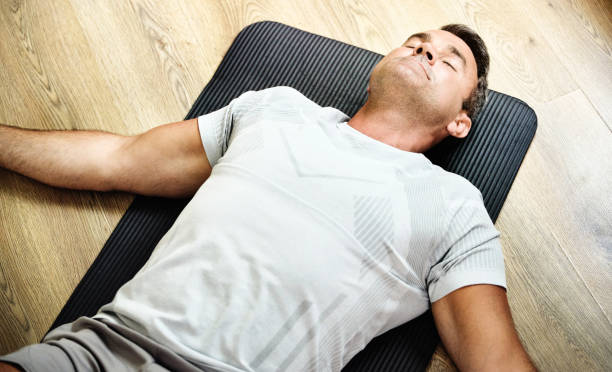
To amplify the psychological benefits of Progressive Muscle Relaxation, combine the physical sequence with mindful breathing and mental imagery. As you tense a muscle group, imagine gathering all the stress, anxiety, and frustration of your day into that specific area. As you release the tension, visualize that stress dissolving into thin air or flowing down away from your body.
Synchronizing your breath with your movements deepens parasympathetic nervous system activation. Inhale deeply through your nose while tensing the muscles, and exhale slowly through your mouth with a soft sigh as you release the tension. This somatic combination accelerates emotional calming.
- Inhale slowly over 5 seconds while building maximum tension in the targeted muscle group.
- Hold the breath and the tight tension for 3 to 5 seconds, feeling the energy peak.
- Exhale completely through your mouth while instantly dropping all tension in that muscle group.
- Rest in the relaxed state for 15 seconds, noticing the sensation of warmth and heaviness.
Conclusion
Progressive Muscle Relaxation is a powerful, self-directed tool for reducing stress, easing chronic pain, and calming the mind during incarceration. By systematically tensing and releasing major muscle groups, you teach your nervous system how to let go of the physical armor built up by housing unit pressures. Environmental walls may restrict your physical movement, but your ability to relax your body and master your internal state remains completely within your power. Practicing PMR daily provides deep restorative peace, ensuring your physical and emotional well-being endure throughout your sentence.
Frequently Asked Questions
What is Progressive Muscle Relaxation, and how does it help inmates?
PMR is an evidence-based somatic technique involving the systematic tensing and releasing of muscle groups, helping inmates release chronic physical stress and calm their nervous systems.
How long does a full Progressive Muscle Relaxation session take?
A full head-to-toe PMR session typically takes between 15 to 20 minutes, though shortened 5-minute versions can be performed for quick stress relief.
Can PMR help me fall asleep faster in a noisy prison cell?
Yes. Performing PMR while lying in your bunk activates the parasympathetic nervous system, lowering your heart rate and releasing the physical tension that causes insomnia.
What should I do if my muscles cramp while tensing during PMR?
Reduce the intensity of your contraction immediately. You only need firm, engaged tension, not maximum strength that causes pain or cramping.
How often should I practice Progressive Muscle Relaxation?
Practicing daily—ideally during your evening wind-down routine—yields the best results by training your body to release stress automatically.
Do I need any special equipment or quiet space to practice PMR?
No equipment is required. You can practice PMR sitting on a bunk or chair, using mindful breathing to filter out ambient housing unit noise.
Why do I feel tingling sensations when I release muscle tension?
Tingling is a normal physiological sign of increased blood circulation returning to muscle fibers as they transition from high tension to deep relaxation.
Can PMR help reduce anxiety and panic attacks behind bars?
Yes. PMR interrupts the physical fight-or-flight response, slowing your breathing and sending safety signals to your brain during acute anxiety spikes.
Should I tense my muscles as hard as possible during the exercise?
No. Tense them to about 70% to 80% of your maximum capacity—firm and engaged, but well short of causing pain or muscle strain.
How does physical relaxation influence emotional mental health?
Somatic practices prove that the mind and body are interconnected; relaxing physical tension sends neurological feedback to the brain that emotional stress has subsided.
Legal information
Related Articles
More from the blog
Published articles selected by matching category, then the latest published.
 ArticlePreventing Stress and Burnout Among Correctional Officers: Evidence-Based Workplace Wellness StrategiesDiscover evidence-based wellness strategies for correctional officers to prevent burnout, manage trauma, and maintain mental resilience in prison work.
 ArticleIdentifying Mental Health Warning Signs in Inmates: Essential Knowledge for Correctional OfficersDiscover essential mental health warning signs for correctional officers to identify distress, recognize suicide risk, and maintain prison safety.
 ArticleManaging Verbal Aggression in Prison: Professional Responses That Prevent Conflict EscalationDiscover professional strategies for correctional staff to manage verbal aggression, avoid ego-driven traps, and prevent conflict escalation in prison.
Find forms, resources and support
Explore court-ready forms, the resource directory, or contact us for help with a similar issue.