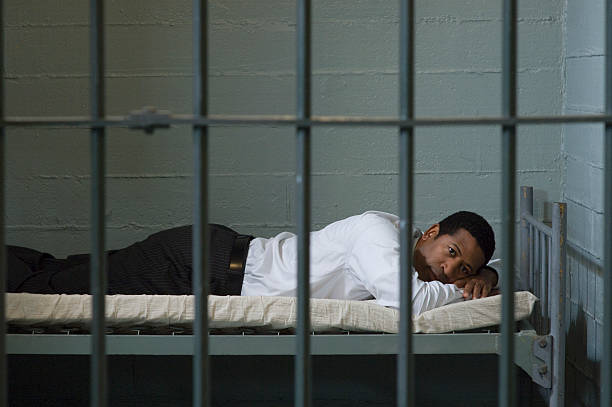
Restorative sleep forms the biological foundation of mental health, emotional resilience, and cognitive clarity. Yet, securing quality sleep inside a correctional facility presents an extraordinary challenge. Correctional environments expose individuals to continuous noise, harsh overhead security lighting, irregular schedules, and chronic hypervigilance. Left unmanaged, severe sleep deprivation degrades immune function, amplifies anxiety, and destroys emotional self-regulation.
Improving sleep quality behind bars does not require luxurious surroundings. Instead, true rest is achieved through disciplined sleep hygiene habits, nervous system regulation, and mental relaxation techniques. This comprehensive guide explores science-based, practical methods to optimize sleep, combat insomnia, and restore restorative rest during incarceration.
The Neuroscience of Sleep and Correctional Deprivation
Sleep is a highly active neurological state essential for cellular repair, memory consolidation, and emotional processing. Normal sleep cycles alternate between light sleep, deep slow-wave sleep, and rapid eye movement sleep. During deep sleep, the brain clears metabolic waste and regulates stress hormone production.
In a correctional environment, chronic stress and safety concerns keep the amygdala hyperactive. This hypervigilance prevents the nervous system from shifting into the parasympathetic state required for deep sleep. Constant noise, shouting, and jangling keys repeatedly jolt individuals out of restorative slow-wave sleep without their conscious awareness.
Understanding this biological reality explains why waking up exhausted feels standard behind bars. Recognizing that sleep deprivation is a physiological response to an overactive nervous system allows you to take targeted steps to protect your rest.
Establishing Consistent Circadian Rhythms
Your body operates on an internal biological clock known as the circadian rhythm, regulated primarily by light exposure. Correctional facilities often feature artificial fluorescent lighting that remains illuminated twenty-four hours a day. This constant artificial light confuses your brain's suprachiasmatic nucleus, disrupting melatonin production and wrecking natural sleep-wake cycles.
Restoring your circadian rhythm requires intentionally signaling day and night to your biology using available resources. Maximize your exposure to natural sunlight during recreation yard time every single morning. When evening arrives, minimize bright artificial light exposure to encourage natural melatonin release.
- Expose your eyes to natural morning sunlight during yard time to anchor your circadian clock.
- Follow a rigid waking and sleeping schedule, even on weekends or days without scheduled activities.
- Avoid sleeping or napping during daytime hours, as this robs your brain of sleep pressure needed at night.
- Turn off or shield reading lights during designated evening wind-down hours.
Optimizing Cell Sleep Hygiene Despite Environmental Obstacles
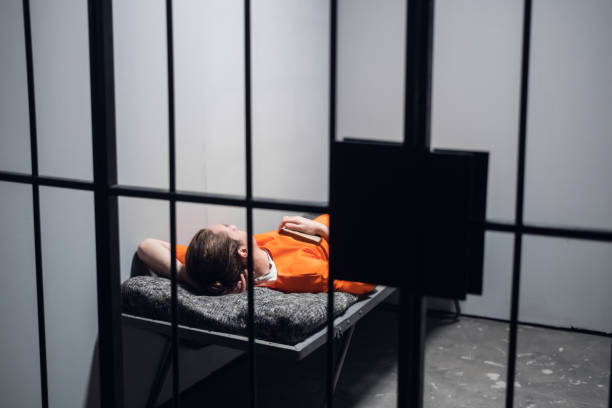
You cannot control facility architecture, but you can optimize your immediate personal cell environment for better sleep. Small adjustments to your sleeping space significantly reduce sensory disturbances and promote relaxation. Treating your bunk area as a sacred sanctuary for rest changes your psychological relationship with sleep.
Manage noise and light interference using simple, permitted modifications. If loud chatter echoes down the tier, utilize soft tissue or institutional paper as makeshift earplugs. Position your body or use a towel over your eyes to block intrusive security lights.
The table below outlines common environmental obstacles in prison and practical cell-based solutions.
Environmental Obstacle | Disruptive Impact | Practical Cell-Based Solution |
Harsh Security Lighting | Suppresses melatonin and disrupts sleep stages | Use a folded towel or clean cloth as an improvised sleep mask |
Constant Tier Noise | Triggers micro-arousals and prevents deep sleep | Practice rhythmic breathing or use soft paper earplugs |
Uncomfortable Bunk Mattress | Causes physical muscle tension and joint pain | Perform evening stretching to release physical tension before lying down |
Cognitive Wind-Down Rituals to Clear Mental Static
Racing thoughts, unresolved conflicts, and daily worries represent primary culprits behind prison insomnia. When you lie down in the dark without mental distraction, suppressed stress floods your conscious awareness. Establishing a structured cognitive wind-down ritual clears mental static before sleep.
Dedicate fifteen minutes before lights out to "brain-dump" your worries into a personal journal. Writing down lingering anxieties, unfinished tasks, and tomorrow's priorities signals to your brain that these issues are safely contained. Your mind stops working overtime to remember them, allowing sleep onset to occur naturally.
- Record all lingering worries and stress triggers in your personal journal before bed.
- Write down three positive things or micro-goals accomplished during the day to foster gratitude.
- Review your structured schedule for tomorrow so your mind feels prepared and organized.
- Physically close your notebook as a symbolic boundary ending your active daily processing.
Nervous System Regulation Through Relaxation Techniques
You cannot force your brain to sleep; sleep is a passive state that occurs only when the nervous system feels completely safe. If your body remains locked in a physiological fight-or-flight response, insomnia persists. Utilizing somatic relaxation techniques actively shifts your nervous system into rest-and-digest mode.
Diaphragmatic breathing and progressive muscle relaxation are powerful, evidence-based tools for sleep induction. Slow, rhythmic breathing lowers your heart rate and signals safety to your brainstem. Progressive muscle relaxation releases the physical tension accumulated from a stressful day in the housing unit.
The list below outlines simple relaxation exercises to practice in your bunk:
- Practice the 4-7-8 breathing method: inhale for 4 seconds, hold for 7, and exhale slowly for 8.
- Tense and release each muscle group sequentially, starting from your toes and moving up to your face.
- Visualize a peaceful, secure, open natural landscape to distract your mind from institutional surroundings.
- Scan your body mentally to consciously relax your jaw, shoulders, and hands.
Managing Dietary Triggers and Hydration Before Bed
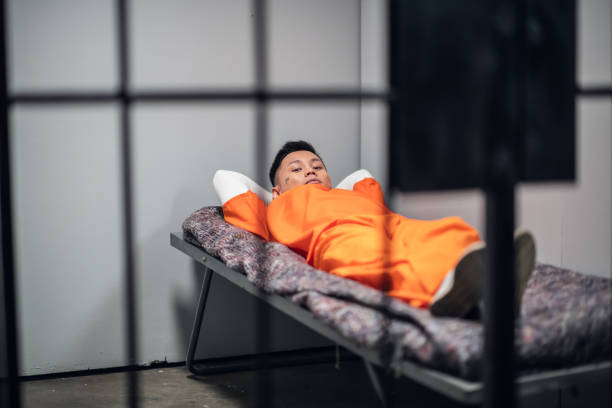
What you consume during the late afternoon and evening directly impacts your sleep architecture. Many incarcerated individuals rely heavily on commissary caffeine, sugary snacks, or heavy processed foods for comfort. However, these substances interfere directly with restorative sleep cycles.
Caffeine is a powerful adenosine receptor antagonist that blocks sleep-promoting brain chemicals for up to six hours. Consuming coffee or caffeinated sodas later in the day guarantees fragmented sleep. Adjusting your evening intake supports deep, uninterrupted rest.
The table below correlates evening dietary habits with their physiological impact on sleep.
Evening Substance | Physiological Action in Body | Impact on Sleep Quality |
Caffeine (Coffee/Soda) | Blocks adenosine receptors and stimulates nervous system | Prevents sleep onset and fragments deep sleep stages |
Sugar and Heavy Carbs | Causes blood sugar spikes followed by nocturnal crashes | Triggers nighttime awakenings and restless tossing and turning |
Excessive Late Fluids | Overloads bladder capacity during night hours | Forces frequent bathroom trips that disrupt continuous sleep cycles |
Reframing Sleep Anxiety and Frustration
Lying awake in a prison bunk while tossing and turning breeds intense sleep anxiety. Thoughts like "If I do not fall asleep right now, tomorrow will be unbearable" create performance pressure that guarantees continued wakefulness. Sleep is not a test you can pass or fail through sheer willpower.
If you cannot fall asleep after twenty minutes, do not lie in bed fighting frustration. Get up quietly, sit on the edge of your bunk, and read a dull book or practice slow breathing until drowsiness returns. Breaking the association between your bunk and frustration protects your sleep psychology.
- Avoid watching the clock or calculating how many hours of sleep remain.
- Reframe nocturnal wakefulness calmly by telling yourself your body is simply resting.
- Engage in quiet, low-stimulation reading until natural sleep pressure builds up.
- Refuse to let nighttime anxiety ruin your mindset for the following day.
Conclusion
Progressive Muscle Relaxation is a powerful, self-directed tool for reducing stress, easing chronic pain, and calming the mind during incarceration. By systematically tensing and releasing major muscle groups, you teach your nervous system how to let go of the physical armor built up by housing unit pressures. Environmental walls may restrict your physical movement, but your ability to relax your body and master your internal state remains completely within your power. Practicing PMR daily provides deep restorative peace, ensuring your physical and emotional well-being endure throughout your sentence.
Frequently Asked Questions
Why is sleeping in a correctional facility so fundamentally difficult?
Continuous noise, harsh security lighting, lack of privacy, and chronic hypervigilance keep the nervous system locked in a state of alert, preventing deep sleep.
How can I block out harsh security lights when no sleep mask is provided?
You can fold a clean cloth or towel neatly across your eyes, or position your head toward the darkest corner of your cell bunk.
What is the fastest way to calm a racing mind before trying to sleep?
Practicing structured breathing exercises, such as the 4-7-8 method, or journaling to dump worries onto paper helps clear mental static.
Should I get out of bed if I cannot fall asleep after twenty minutes?
Yes. Sitting quietly on your bunk, reading a calm book, or doing breathing exercises prevents your brain from associating your bed with frustration and insomnia.
How does caffeine impact sleep architecture behind bars?
Caffeine blocks sleep-promoting brain chemicals for hours, delaying sleep onset, reducing total sleep time, and destroying deep restorative sleep stages.
Why do I wake up exhausted even after sleeping eight hours in prison?
Intermittent environmental noises cause micro-arousals that pull you out of deep slow-wave sleep without fully waking you, preventing true physical restoration.
Can physical exercise during the day help improve nighttime sleep?
Yes. Burning off physical stress hormones and expending energy through daily workouts significantly improves sleep drive and nocturnal recovery.
How does evening journaling help reduce insomnia?
Externalizing your worries and daily tasks onto paper signals to your brain that the issues are contained, stopping your mind from looping on them at night.
Legal information
Related Articles
More from the blog
Published articles selected by matching category, then the latest published.
 ArticlePreventing Stress and Burnout Among Correctional Officers: Evidence-Based Workplace Wellness StrategiesDiscover evidence-based wellness strategies for correctional officers to prevent burnout, manage trauma, and maintain mental resilience in prison work.
 ArticleIdentifying Mental Health Warning Signs in Inmates: Essential Knowledge for Correctional OfficersDiscover essential mental health warning signs for correctional officers to identify distress, recognize suicide risk, and maintain prison safety.
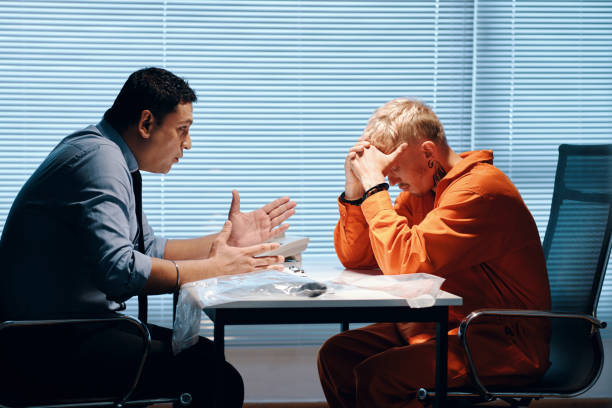 ArticleManaging Verbal Aggression in Prison: Professional Responses That Prevent Conflict EscalationDiscover professional strategies for correctional staff to manage verbal aggression, avoid ego-driven traps, and prevent conflict escalation in prison.
Find forms, resources and support
Explore court-ready forms, the resource directory, or contact us for help with a similar issue.