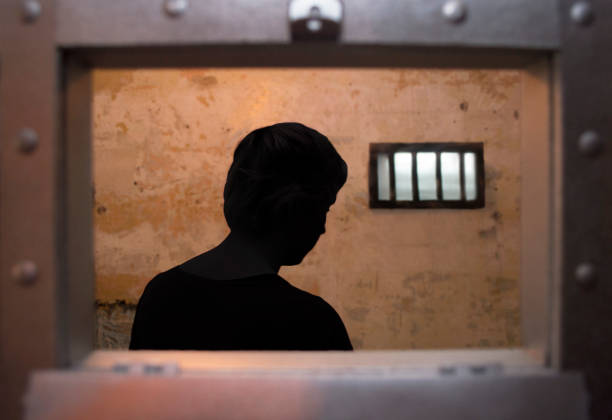
Serving time inside a correctional facility exposes individuals to continuous sensory deprivation, harsh lighting, gray concrete walls, and institutional monotony. Over months and years, this restrictive physical environment can narrow a person's psychological horizons, fostering emotional burnout and despair. When your external physical reality cannot change, your internal mental landscape becomes your most powerful sanctuary.
Guided imagery and mental visualization represent evidence-based cognitive tools that allow you to transcend physical walls. By consciously directing your imagination, you can regulate your nervous system, reduce stress, and support deep emotional healing. This comprehensive guide explores the science of visualization, practical mental exercises, and methods to cultivate inner peace behind bars.
The Neuroscience of Mental Imagery
The human brain possesses a remarkable evolutionary feature: it struggles to distinguish between vividly imagined experiences and actual sensory reality. When you close your eyes and vividly visualize a peaceful forest, a warm beach, or a cherished family memory, your brain fires neural pathways similar to those activated during real experiences.
Neuroscience proves that intentional mental imagery triggers physiological responses across your body. Imagining a relaxing environment lowers your heart rate, decreases blood pressure, and reduces circulating cortisol levels. This occurs because the amygdala responds to vivid thoughts just as it responds to external stimuli.
Utilizing visualization takes advantage of this neurological quirk to protect your mental health. When your immediate surroundings feel chaotic or oppressive, your imagination provides an immediate, portable escape route that no security guard or warden can restrict.
The Psychological Benefits of Visualization Behind Bars
Incarceration strips away personal autonomy, leaving individuals with very few choices regarding their daily environment. Guided imagery restores a profound sense of psychological agency and emotional freedom. Actively designing your mental space empowers you to step out of survival hypervigilance and into deep relaxation.
Regular mental visualization provides several distinct psychological benefits during incarceration:
- Stress Reduction: Rapidly lowers nervous system arousal and diffuses housing unit friction.
- Emotional Regulation: Replaces racing anxiety with calm focus and balanced perspective.
- Hope Preservation: Keeps memories of loved ones, nature, and future goals vivid and alive.
- Cognitive Sharpness: Engages sensory processing areas of the brain, preventing mental stagnation.

Preparing Your Mind and Space for Effective Practice
While you can practice visualization anywhere, preparing your physical space and mental focus enhances the experience. Because correctional environments are noisy and distracting, creating a brief transition ritual helps signal your brain that it is time to turn inward.
Find a quiet moment during evening wind-down hours or quiet time to begin your practice. Sit comfortably on your bunk or chair, posture upright yet relaxed, and close your eyes to shut out the harsh fluorescent lighting and institutional activity.
The table below outlines simple preparation steps for effective mental imagery sessions.
Preparation Step | Practical Action | Purpose |
1. Environmental Shielding | Sit facing a corner or pull a blanket over your shoulders | Minimizes visual distractions from the tier or cellmate |
2. Postural Alignment | Drop shoulders, unclamp jaw, and rest hands loosely | Relieves physical tension before beginning mental focus |
3. Diaphragmatic Reset | Take five slow, deep breaths through your nose | Shifts the nervous system into a relaxed parasympathetic state |
Core Visualization Exercises for Emotional Wellbeing
Effective visualization involves engaging all five senses—sight, sound, smell, touch, and taste—to make the mental scene feel entirely real. Instead of merely thinking about a peaceful place, actively immerse yourself within it. Below are three powerful visualization exercises designed specifically for correctional environments.
Exercise 1: The Safe Sanctuary Visualization
Create a detailed, private mental sanctuary where you feel completely safe, secure, and at peace. This could be a secluded mountain cabin, a quiet coastal cove, or a childhood garden.
- Visualize: See the colors of the landscape, the shifting light, and the natural textures around you.
- Hear: Imagine the sound of wind rustling leaves, gentle waves lapping, or absolute silence.
- Feel: Feel the temperature of the air, the warmth of the sun, or the solid ground beneath your feet.
Exercise 2: The Reentry Future Projection
Visualize your successful future life following your eventual release from prison. See yourself walking through your home neighborhood, embracing loved ones, and securing stable employment.
- Visualize: See your new life operating with dignity, freedom, and purpose.
- Feel: Experience the emotional pride of achieving your rehabilitation goals and keeping promises.
- Anchor: Use this positive emotional anchor to fuel your daily discipline and studies inside.
Exercise 3: The Stress-Release Waterfall Visualization
Imagine standing beneath a crystal-clear, warm waterfall in a tranquil natural setting. As the water cascades over your shoulders, visualize it washing away all accumulated housing unit stress, anger, and fear.
- Visualize: See the dark, heavy energy of stress washing off your body and flowing away into a rushing stream.
- Feel: Feel the physical lightness and warmth returning to your muscles as the water cleanses your mind.
Overcoming Common Visualization Hurdles
When first attempting mental imagery behind bars, many individuals encounter common mental hurdles. Racing thoughts, ambient tier noise, or feelings of frustration can make concentration difficult. Some people believe they lack "creative imagination" because they do not see vivid pictures instantly.
Remember that visualization is a mental skill that strengthens progressively with consistent practice. If your mind wanders to daily worries, acknowledge the thought gently and guide your focus back to your imagery anchor. Even subtle sensations of warmth or calm indicate successful nervous system regulation.
- If tier noise interrupts: Use the ambient sound as part of your landscape (e.g., imagining distant wind or ocean surf).
- If your mind races: Focus entirely on physical sensations like breathing rather than complex visual scenes.
- If frustration arises: Remind yourself that there is no "wrong" way to visualize; relaxation is the only goal.
Integrating Visualization Into Daily Prison Routines
To maximize the psychological benefits of mental imagery, integrate brief visualization sessions into your predictable daily schedule. Consistency transforms visualization from a sporadic coping trick into a reliable emotional anchor.
Pair your mental exercises with existing daily anchor points, such as waking up in the morning or preparing for sleep at night. Dedicating just ten minutes daily to intentional mental travel protects your emotional wellbeing against the grinding monotony of long sentences.
- Morning Grounding: Spend five minutes visualizing a calm, successful day and steady emotional resilience before stepping out of your cell.
- Midday Reset: Take a two-minute mental break during high-stress hours to close your eyes and visit your safe sanctuary.
- Evening Wind-Down: Practice a deep 15-minute sensory visualization in your bunk to transition your brain into restorative sleep states.
Conclusion
Guided imagery and visualization offer an extraordinary, portable sanctuary that no correctional facility wall can restrict. By engaging your brain's natural capacity for mental simulation, you can regulate your nervous system, dissolve physical stress, and preserve vibrant hope for the future. Environmental walls may confine your physical body, but your imagination remains entirely your own. Cultivating mental discipline through visualization ensures that your spirit remains free, resilient, and focused on lifelong personal growth.
Frequently Asked Questions
What is guided imagery, and how does it help inmates?
Guided imagery is an evidence-based cognitive technique using mental visualization to engage the senses, calm the nervous system, and provide emotional escape from harsh prison environments.
Can visualization really trick my brain into feeling relaxed?
Yes. Neuroscience proves that vividly imagined peaceful scenes trigger the amygdala to lower heart rate and reduce stress hormones just like real experiences.
What should I do if my mind keeps wandering during visualization?
Gently acknowledge wandering thoughts without frustration, and redirect your attention back to your breathing or the sensory details of your mental sanctuary.
Do I need any special training or equipment to practice mental imagery?
No equipment is required. All you need is a quiet moment, a comfortable posture, and your own imagination.
Can visualization help me cope with insomnia in my bunk?
Yes. Visualizing a peaceful, secure natural landscape or a relaxing waterfall lowers physiological arousal, helping your body transition into sleep.
What if I cannot "see" images clearly in my mind?
Visualization is not limited to sight; you can focus on physical feelings of warmth, comforting sounds, or emotional sensations of safety instead.
How long should a typical visualization session last?
Sessions can range from a quick two-minute mental reset during stressful moments to a structured 15-minute evening relaxation practice.
Can visualization help me stay motivated for my eventual release?
Yes. Vividly projecting a successful future reentry keeps your rehabilitation goals emotionally alive and fuels your daily discipline behind bars.
Is guided imagery the same as meditation?
They are closely related; meditation often focuses on breath and thought observation, whereas guided imagery actively directs the imagination toward specific sensory scenes.
How often should I practice mental visualization?
Practicing daily—ideally during morning wake-up and evening wind-down routines—yields the strongest cumulative emotional benefits.
Legal information
Related Articles
More from the blog
Published articles selected by matching category, then the latest published.
 ArticlePreventing Stress and Burnout Among Correctional Officers: Evidence-Based Workplace Wellness StrategiesDiscover evidence-based wellness strategies for correctional officers to prevent burnout, manage trauma, and maintain mental resilience in prison work.
 ArticleIdentifying Mental Health Warning Signs in Inmates: Essential Knowledge for Correctional OfficersDiscover essential mental health warning signs for correctional officers to identify distress, recognize suicide risk, and maintain prison safety.
 ArticleManaging Verbal Aggression in Prison: Professional Responses That Prevent Conflict EscalationDiscover professional strategies for correctional staff to manage verbal aggression, avoid ego-driven traps, and prevent conflict escalation in prison.
Find forms, resources and support
Explore court-ready forms, the resource directory, or contact us for help with a similar issue.